
This Easy Brown Butter is a simple yet game-changing ingredient that adds depth and richness to both sweet and savory dishes. With a toasty, rich caramel taste that is out of this world!!

It makes you love your dishes ten times more!! I stumbled upon brown butter by accident. After walking away and forgetting about a pan of melting butter on the stove, when I returned, I was met with a rich, deep brown butter that smelled incredible.
Instead of tossing it out, I decided to experiment a little bit. What I found was pure magic! After testing different levels of browning, I discovered that the best flavor for frosting comes from dark brown butter—not blackened, just a deep, rich brown.
Brown butter is something that I have been exploring. Also known as Beurre Noisette (butt nwah-ZEHT) in the culinary world. It’s French for “hazelnut butter”.
Brown butter is butter that is melted and cooked until it is a light brown color. It has a nutty, intense caramel flavor from the milk solids in the butter.
This post may contain affiliate links. Read my privacy and terms of use policy.

What is Brown Butter?
Brown butter is simply butter that has been melted and cooked until the milk solids turn a golden brown, releasing a nutty, aromatic flavor. It’s a staple in French cuisine and is used in everything from sauces to baked goods.
The key to achieving perfect brown butter is patience—just a few extra seconds can take it from beautifully golden to burnt!
When browned butter has been melted and the milk solids settle on the bottom of the pan. The milk solids become golden brown. This happens when the butter simmers causing the water to evaporate leaving behind the milk solids and fat.
The white bits of milk solids floating in the yellow fat turn different shades of brown the longer they are cooked. The darker brown the bits the more intense the flavor will be.
Does Salted Butter Brown?
Yes, it does! I have always preferred to use salted butter in all of my cooking and baking dishes. Whenever I make browned grease, I always use salted butter and have had success every single time.
Others may say different, but this has been my experience. I have used unsalted butter when salted butter is not available with the same results.
What is the Difference Between Brown Butter & Regular Butter?
Regular butter when melted is yellow in color. Brown Butter is melted fat that is cooked to a brown color. The longer its cooked the darker the color will be.
What Does Browned Butter Look Like?
You will find bits of browned milk solids floating in the melted fat as you cook the butter. It starts out yellow and slowly transforms into a light golden color and if cooked long enough will get darker and darker brown.
Every stage of browned butter produces a different flavor. So, depending on what flavor you would like your finished product to have is going to decide on the color of your browned butter.
If you “burn” your butter it will turn almost black in color. A few to many times I have forgotten about my butter cooking on the stove. And yes, it turned into black butter also known as beurre noir.

What is Brown Butter Used For?
There are so many uses for browned butter. Substitute browned butter for regular butter in any of your dishes.
If your browned butter is melted then you can make sauces, pasta dishes, grilled meats and seared seafood. Your melted butter can be cooled and turned back into a solid form. When you want to make baked goods with loads of flavor this is the butter that you choose.
My favorite recipe to make with browned butter is my German Chocolate Frosting! It has a delicious caramel flavor that you will want more and more of!

Can You Brown Butter to Much?
For the purpose that I am using browned butter for, yes you can. The more you make browned butter the better you will get at deciding how far is to far!!
Do not walk away from the melted butter, it requires your full attention. One tip for getting perfect browned butter is to stir the fat every once in a while.
Don’t stir it constantly because you want the milk solids to toast up while the bits sit on the bottom of the pan. If you don’t stir the butter you risk the milk solids sticking to the bottom of the pan and burning.
How to Make Brown Butter
Making brown butter is incredibly easy, but it does require attention to avoid burning. Here’s how you can do it:
Choose Your Butter – You can use unsalted butter or salted butter when making this recipe. Use unsalted butter to have full control over the salt level in your final dish.
Melt the Butter – In a sauce pan on the stove, melt the butter over medium low heat. The simmering melted butter will start with clear bubbles. Stir every so often making sure to scrape the bottom of the pan to move around the milk solids that have settled at the bottom.
Watch for Changes – The butter will begin to foam as the water content evaporates. Stir occasionally to prevent burning. As the fat boils you will notice the color starting to turn from yellow to light brown (5 minutes), then golden brown (6 minutes). Keep going and you will get to a deep brown color (7 minutes). Just don’t go too far because you don’t want black butter (beurre noir).
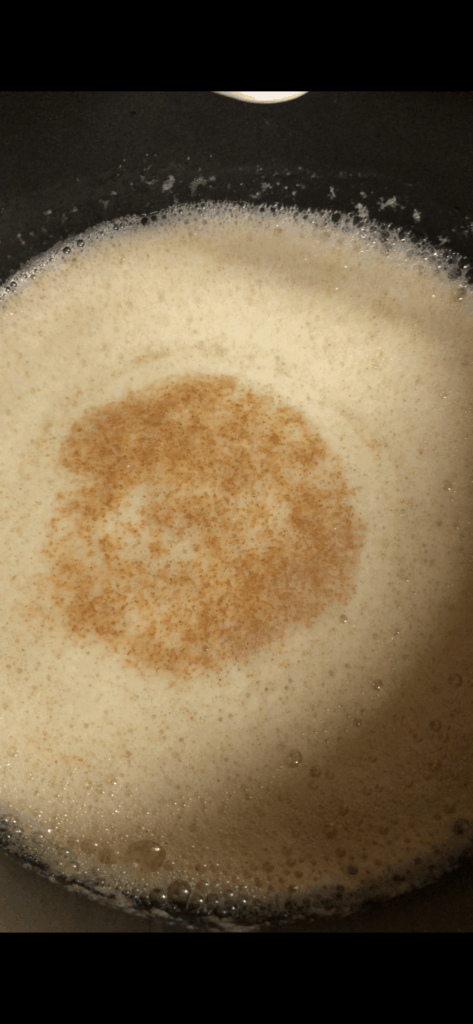
Wait for the Aroma – After a few minutes, the milk solids will begin to brown, creating a nutty aroma and a golden-brown color. If you stop stirring for a minute, the foamy butter will present you with pockets of browned milk solids that grow right in front of your eyes. This is where you determine how far you want to take your browned butter flavor.
Remove from Heat – Once you achieve the desired color (deep golden brown), remove the butter from the heat immediately to prevent burning.
Strain (Optional) – If you prefer a smooth butter without milk solids, strain it through a fine mesh sieve.


How Long Does It Take to Make Easy Brown Butter?
Browning butter is an art form that takes time and patience. This technique takes about 5 to 8 minutes depending on the amount of butter used, how hot your stove is, or the temperature that you use.
But can be less or more time depending on how brown you want it and the stove temperature you are using.
Does Browned Butter Need to Be Refrigerated?
When you toast the milk solids this eliminates the fresh butter from turning rancid at room temperature. My suggestion is to refrigerate this butter if you plan on having it for longer than 7 days. It will stay fresh for several month if taken care of properly.

What to Make with Browned Butter
Now that this butter is cooked to perfection, what do you make with it? My favorite thing to make is Brown Butter German Chocolate Frosting!
You can also use it in Alfredo pasta dishes, homemade cookie recipes, and whip softened butter to spread onto freshly baked bread. My grilled pineapple upside down cake made with browned butter is also a must try dessert recipe!

Easy Brown Butter
Easy Brown butter adds another layer of flavor that will want you coming back for more. With a toasty, rich caramel taste that is out of this world!!
Ingredients
- Butter 1/2 cup
Instructions
- Gather your supplies to make brown butter.
- Melt your butter (salted or unsalted) in a saucepan on the stove over medium low heat.
- The melted butter will start to create clear bubbles, so continue to boil.
- Stir every so often making sure to scrape the bottom of the pan to move around the milk solids that have settled at the bottom. You are cooking out any water present in the butter.
- The butter will start to become foam on the top. Make sure to give your Beurre Noisette (browning butter) a stir every now and then.
- As the butter boils you will notice the color starting to turn from yellow to light brown (5 minutes), then golden brown (6 minutes). Keep going and you will get to a deep brown color (7 minutes).
- Just don’t go too far because you don’t want black butter aka beurre noir.
- If you stop stirring for a minute, the foamy butter will present you with pockets of browned milk solids that grow right in front of your eyes.
- This is where you determine how far you want to take your brown butter flavor. I like a good golden-brown color to the melted butter but not a light black color. For me this is my sweet spot!!
- Remove from heat and set aside until ready to use.
Notes
What is Brown Butter?
Brown butter is butter that has been melted and the milk solids settle on the bottom of the pan. The milk solids become golden brown. This happens when the butter simmers causing the water to evaporate leaving behind the milk solids and fat. The white bits of milk solids floating in the yellow fat turn different shades of brown the longer they are cooked. The darker brown the bits the more intense the flavor will be.
Does Salted Butter Brown?
Yes, it does! I have always preferred to use salted butter in all of my cooking and baking dishes. Whenever I make brown butter, I always use salted butter and have had success every single time. Others may say different, but this has been my experience. I have used unsalted butter when salted butter is not available with the same results.
What is the Difference Between Browned Butter & Regular Butter?
Regular butter when melted is yellow in color. Brown butter is melted butter that is cooked to a brown color. The longer its cooked the darker the color will be.
What Does Browned Butter Look Like?
You will find bits of browned milk solids floating in the melted fat as you cook the butter. It starts out yellow and slowly transforms into a light golden color and if cooked long enough will get darker and darker brown. Every stage of brown butter produces a different flavor. So, depending on what flavor you would like your finished product to have is going to decide on the color of your browned butter. If you “burn” your butter it will turn almost black in color. A few to many times I have forgotten about my butter cooking on the stove. And yes, it turned into black butter also known as beurre noir.
What is Brown Butter Used For?
There are so many uses for brown butter. Substitute brown butter for regular butter in any of your dishes. If your brown butter is melted then you can make sauces, pasta dishes, grilled meats and seared seafood. Your melted butter can be cooled and turned back into a solid form. When you want to make baked goods with loads of flavor this is the butter that you choose.
Can You Brown Butter to Much?
For the purpose that I am using brown butter for, yes you can. The more you make brown butter the better you will get at deciding how far is to far!! Do not walk away from the melted butter, it requires your full attention. One tip for getting perfect brown butter is to stir the butter every once in a while. Don’t stir it constantly because you want the milk solids to toast up while the bits sit on the bottom of the pan. If you don’t stir the butter you risk the milk solids sticking to the bottom of the pan and burning.
How Long Does It Take to Brown Butter?
Browning butter is an art form that takes time and patience. I prefer to brown my butter on medium low heat. This technique takes about 5 to 8 minutes depending on the amount of butter used. But can be less or more time depending on how brown you want your butter and the temperature you are cooking it.
Does Brown Butter Need to Be Refrigerated?
When you toast the milk solids this eliminates the butter from turning rancid at room temperature. My suggestion is to refrigerate this butter if you plan on having it for longer than two weeks. It will stay fresh for several month if taken care of properly.
Recommended Products
As an Amazon Associate, I earn from qualifying purchases. This page contains affiliate links. Click on the highlighted text in a post to explore a product. If you purchase through one of them, I will receive a commission (at no additional cost to you). I ONLY EVER ENDORSE PRODUCTS THAT I HAVE PERSONALLY USED. Thank you for your support!

Nutrition Information
Yield
10Serving Size
1Amount Per Serving Calories 81Total Fat 9gSaturated Fat 6gTrans Fat 0gUnsaturated Fat 3gCholesterol 24mgSodium 73mgCarbohydrates 0gFiber 0gSugar 0gProtein 0g
Note: For exact nutritional information, consult your dietitian. All nutritional information is simply a guideline.

Did you enjoy this recipe? Your comment and 5-star rating take just seconds but helps other readers and helps our site gain more readers! Thank you for taking the time to share your comments!
Stay in touch with me through social media!
Tried this recipe? Snap a picture and tag #frommichigan2019 on Instagram @frommichigan2019.
Join my Blackstone Griddle Facebook Pages:
Subscribe to my YouTube channel – Sherry Ronning – to get notification of my latest videos.
If you enjoy this recipe, you may enjoy the following: Grilled Pineapple Upside Down Cake and Cabbage Pierogi


